
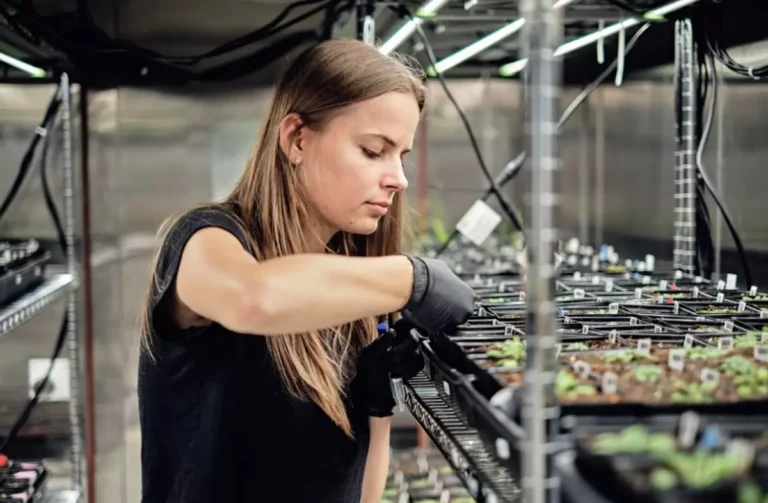
In a significant advancement for agricultural practices, Google’s innovation lab, often referred to as its “moonshot factory,” has introduced Heritable Agriculture—an ambitious startup engineered to leverage data and machine learning with the goal of transforming the agricultural landscape. This newly independent firm is more than just another tech initiative; it identifies the pressing challenges of modern farming and seeks to address them by harnessing technology in a sustainable manner.
Plants themselves have long been recognized as remarkable systems; they are, as Heritable aptly describes, “solar powered, carbon negative, self-assembling machines.” However, the broader implications of agricultural practices reveal a grim reality—approximately 25% of the greenhouse gas emissions linked to human activity stem from this sector. Moreover, traditional agriculture heavily contributes to the depletion of vital resources, including groundwater, while also exacerbating issues such as soil erosion and water pollution linked to the usage of chemicals and fertilizers.
Heritable Agriculture stands out by aspiring to draw on artificial intelligence and machine learning to analyze extensive datasets tied to crop genetics and agricultural practices. While amassing data is generally perceived as a straightforward task, the real challenge lies in converting this data into practical and impactful strategies that can enhance farming efficiency. The daunting task of integrating decades of agricultural knowledge with advanced technology signifies a pivotal step in modernizing an industry that has persisted in largely unchanged form for millennia.
Brad Zamft, the founder and CEO of Heritable, has an impressive background that fertilizes the startup’s innovative approach. His previous roles, including a position at the Bill & Melinda Gates Foundation and tenure as chief scientific officer at TL Biolabs, preceded his move to Google X, where he was granted the freedom to explore transformative ideas. Zamft’s vision for Heritable took seed during his tenure at Google X, as he concentrated on optimizing plant breeding processes in a manner scalable to meet the enormous demands of global agriculture.
One of the unique aspects of Heritable’s methodology is its commitment to exploring conventional breeding before potentially venturing into bioengineering through gene editing technologies like CRISPR. While genetic manipulation presents exciting opportunities for enhancement, Heritable’s current directive emphasizes the importance of identifying superior breeding candidates and refining traditional cross-breeding methods to produce plants that require less water and enhance carbon capture.
This balanced approach reflects a greater awareness of the diverse needs of the agricultural community and the ecological nuances of our planet. Zamft voiced that while gene editing may one day factor into their processes, the immediate need to cultivate progressive breeding practices takes precedence. By focusing initially on improving traditional methods, Heritable Agriculture aims to reap immediate benefits without the complications often associated with biotechnology.
As Heritable approaches the essential task of commercializing its technology, many aspects remain undisclosed, including potential timelines and partnership opportunities within the agricultural sector. The company has successfully raised seed funding, notably with contributions from FTW Ventures, Mythos Ventures, and SVG Ventures, along with equity from Google itself. The backing of such investors underscores the confidence in Heritable’s vision of revolutionizing farming practices through their innovative use of data and machine learning.
Furthermore, this launch occurs during a period when Google’s X division has shifted focus toward spinning out companies, indicating an organizational willingness to nurture startups that funnel impactful technological advancements into the real world. Zamft and his team at Heritable are perhaps on the threshold of not just fostering a new agricultural methodology but potentially spearheading a paradigm shift that could redefine food production and its environmental implications.
Heritable Agriculture sits at the intersection of cutting-edge technology and sustainable farming. As it undertakes the monumental task of refreshing an age-old industry with innovative data solutions, the agricultural landscape stands to benefit immensely from its endeavors. With uncertainty still surrounding the practicalities of implementation and adaptation within existing farming systems, Heritable’s journey will undoubtedly be one worth watching in the years to come, heralding a future where agriculture is not only more efficient but also more sustainable and responsive to the challenges of our time.

Leave a Reply