
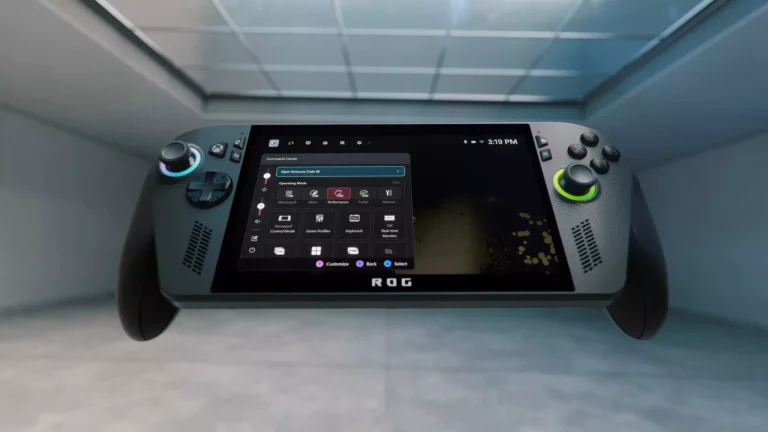
Recent reports have stirred up the gaming community, suggesting that the much-anticipated Xbox handheld console might be nothing more than a mirage in the desert of speculation. The current narrative, particularly from reputable sources, claims that this product has been “essentially canceled,” leaving many fans scratching their heads as they reflect on the excitement surrounding its initial announcement. However, it’s essential to distinguish between rumour and reality, especially in the world of gaming, where expectations often exceed deliverables.
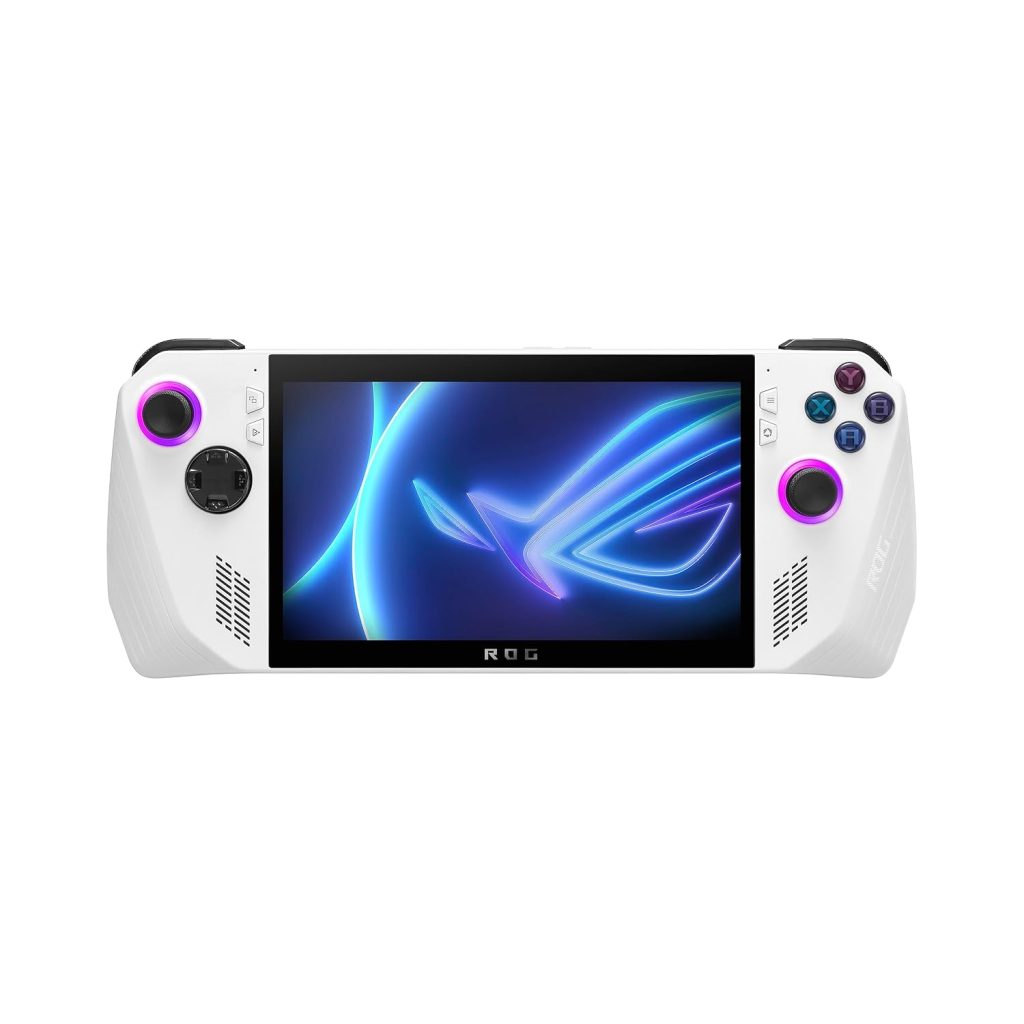
The latest announcements regarding the Asus ROG Xbox Ally and ASUS ROG Xbox Ally X handhelds have added layers to this narrative. These devices, while branded under the Xbox name, are not traditional Xbox handheld consoles in the sense that we know them. Rather, they are reimagined PC handhelds, designed with existing PC hardware and an optimized version of Windows tailored for gaming. This is not merely a cosmetic redesign; it reflects a fundamental shift in how Microsoft could potentially approach console gaming moving forward.
The Rise of Third-Party Partnerships
At the heart of this shift lies a strategic partnership model that could reshape the future landscape of gaming consoles. Instead of focusing on manufacturing hardware directly, Microsoft appears to be pivoting towards collaborations with established hardware companies like Asus. This approach not only reduces financial risks but also allows for greater innovation and flexibility in design.
This speculation aligns with a broader industry understanding: Microsoft may be transitioning away from the production of conventional consoles entirely. The implications of such a shift are vast. As Microsoft seems intent on maximizing its Game Pass subscriber base, the focus could well be on software rather than hardware, creating a scenario where users experience the Xbox brand across an expanding variety of devices—consider it Xbox on demand, available wherever players choose to game.
Streamlined Software: The Key to the Future
What’s particularly intriguing is the development of a streamlined version of Windows specifically for gaming applications, stripped of unnecessary features and bloatware. Such a software approach signifies not only efficiency but also a concerted effort to unify user experiences across various platforms. This would allow Xbox to seamlessly integrate its gaming ecosystem, irrespective of the hardware being used. As industry insiders suggest, this could be the base upon which Microsoft forges its future gaming experience, focusing on emulation and cloud gaming.
The idea is compelling: if Microsoft successfully harnesses this technology, they could provide an interface that feels consistent and reliable across different devices. This would logically extend to a variety of Xbox-branded devices, from high-performance gaming rigs to modest handhelds designed for on-the-go gaming. Additionally, this change reinforces Microsoft’s commitment to delivering value through its subscription service, enhancing the appeal of Game Pass as more than just a library of games but a holistic gaming platform.
Xbox Handheld Console: Gaming Industry Implications
For consumers, this evolution could result in a treasure trove of choices. Imagine a world where anyone can tailor their gaming setup to fit their financial and performance needs. While this model undeniably democratizes access to gaming, it also poses questions about brand loyalty and the traditional console lifecycle. When various manufacturers can produce their interpretations of an Xbox console, will players remain committed to the Xbox ecosystem, or will fragmentation occur?
Moreover, there is a generational shift in how gaming is perceived, particularly among younger audiences. Heavy reliance on streaming services as a primary platform could shift the industry’s focus entirely, prompting other console manufacturers to rethink their own models. The future might not be about which console reigns supreme in the battle of performance; instead, it could be about which ecosystem offers the best user experience and expansive gaming library.
While the future of the Xbox handheld seems uncertain, the evolving relationship between Microsoft and hardware manufacturers such as Asus hints at a radically different gaming landscape. The landscape is increasingly defined by software integration and a variety of devices that resonate with a broader audience, promising a richer experience that focuses on flexibility and accessibility in gaming.
Check out more articles here.

- BYD’s Lingyuan: A New Era of Vehicle-Integrated Drone Technology - June 23, 2025
- The Rise of Xiaomi: An Overview of the Company’s Latest Innovations - June 23, 2025
- Ikea Enters the Thread Realm: The Timmerflotte Sensor - June 23, 2025
Leave a Reply