
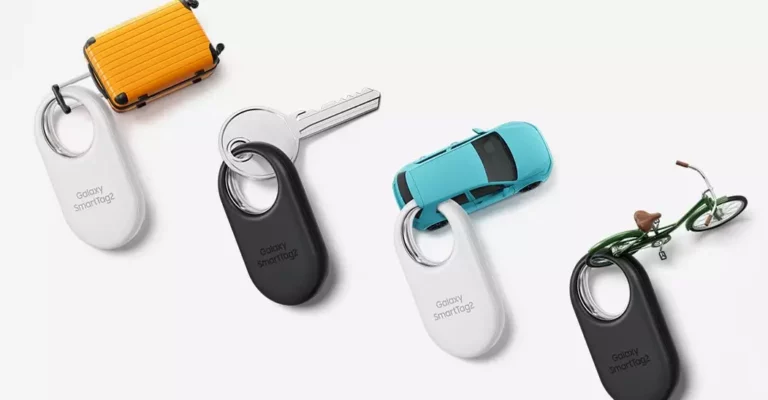
In the rapidly evolving landscape of technology, the intersection of devices and applications is crucial for enhancing user experience. Samsung’s SmartTag system has brought asset tracking to the forefront, competing vigorously with Apple’s AirTags. However, the potential of SmartTags remains partially untapped for users outside the Samsung Galaxy ecosystem. This is where uTag enters the scene, taking the functionality of Samsung’s tagging system and making it accessible to a broad audience using Android devices.
Samsung’s SmartTags and their Galaxy Find network, which utilize advanced ultra-wideband (UWB) technology for precise location tracking, are highly regarded for their accuracy. However, they primarily cater to Samsung Galaxy device users. This exclusivity significantly limits the reach and usability of SmartTags in the broader Android community. Samsung’s SmartThings app, a powerful tool for managing various smart devices, suffers from a similar limitation. Although it can be used on any Android or iOS device, the app enforces hardware checks that prevent SmartTags from being set up on non-Galaxy smartphones.
As a response to this oversight, Kieron Quinn developed uTag—a free, open-source app that bridges the gap, allowing SmartTags to operate seamlessly on any Android device running version 11 or later. This initiative not only enhances the utility of SmartTags but also helps democratize access to technology that was previously confined to a narrow segment of users.
The uTag application significantly expands the scope of what users can achieve with their SmartTags. By allowing users to continuously track and manage their Tags without the constraints of Samsung hardware, uTag replicates much of the functionality found in SmartThings, but with added features that enhance practicality. For example, uTag introduces automatic scanning for unknown Tags, a feature that can be a lifesaver for anyone worried about losing valuable items.
Manual scanning through SmartThings limits user engagement, making it cumbersome to regularly check for nearby tags. In contrast, uTag’s periodic scanning capability increases user awareness and reduces the likelihood of losing important belongings. Moreover, uTag not only notifies users when Tags are left behind but also allows location sharing, ringtone triggering, and access to location histories—essential functions that were typically exclusive to Samsung devices.
One of the core concerns with third-party applications is user privacy, particularly when sensitive information such as account credentials is involved. To address this, Quinn opted for an open-source framework for uTag which allows users to scrutinize the app’s code for security. This transparency cultivates trust and reassures users about the handling of their Samsung account credentials. By offering insights into the workings of uTag, users can have confidence that their data is being managed responsibly.
Additionally, the decision to distribute uTag through GitHub as an Android APK allows users to sidestep traditional app store restrictions, further cementing the community-centric philosophy behind its development. This level of accessibility empowers more developers and users to explore and contribute to the app’s growth, fostering an environment of innovation and enhancement.
As technology continues to evolve, the demand for interoperability among devices and applications is increasingly pressing. uTag symbolizes a proactive approach to overcoming the limitations imposed by proprietary systems, advocating for a more inclusive technology landscape. While Samsung’s SmartTag offers exemplary tracking capabilities within its ecosystem, uTag’s ambition is to ensure that these features are not lost on a significant user base that operates outside of it.
The emergence of uTag represents a paradigm shift, where user needs shape application development rather than being confined by hardware constraints. As more developers recognize the value of open-sourced solutions, we may see a movement towards increased flexibility and functionality across various tech platforms, ultimately creating a more user-friendly experience for everyone.
UTag turns the limitations of Samsung’s SmartTags into a potential for innovation and inclusivity, ensuring that no user is left behind in the pursuit of advanced asset tracking capabilities. The future looks promising as more tools emerge to bridge gaps in technology, connecting various players across the digital ecosystem.

- BYD’s Lingyuan: A New Era of Vehicle-Integrated Drone Technology - June 23, 2025
- The Rise of Xiaomi: An Overview of the Company’s Latest Innovations - June 23, 2025
- Ikea Enters the Thread Realm: The Timmerflotte Sensor - June 23, 2025
Leave a Reply