

Uber, a prominent player in the global ride-hailing industry, has recently made a significant change to its operational strategy in India, specifically concerning three-wheeled motorized rickshaws. This move comes in light of heightened competition from local rivals such as Rapido and Namma Yatri, who have successfully captured market share through their alternative business models. Instead of adhering to a commission-based framework, Uber will now implement a daily fee structure for drivers, allowing them to connect with riders more directly and fostering a balance that adapts to local market dynamics.
Historically, Uber operated under a commission structure that ranged from 25% to 40% of each fare, a model that was designed to streamline earnings for the company while providing drivers with a portion of each ride’s revenue. However, with the rise of competitors exclusively following subscription-based frameworks—where drivers pay a fixed daily fee sans commission—Uber’s previous approach has paralleled declining margins and driver dissatisfaction. The shift to charging a daily fee of approximately $0.23 to $0.46 (or 20-40 Indian rupees) aims to enhance financial viability for drivers by reducing the burden of commission costs, thereby promoting greater earning potential.
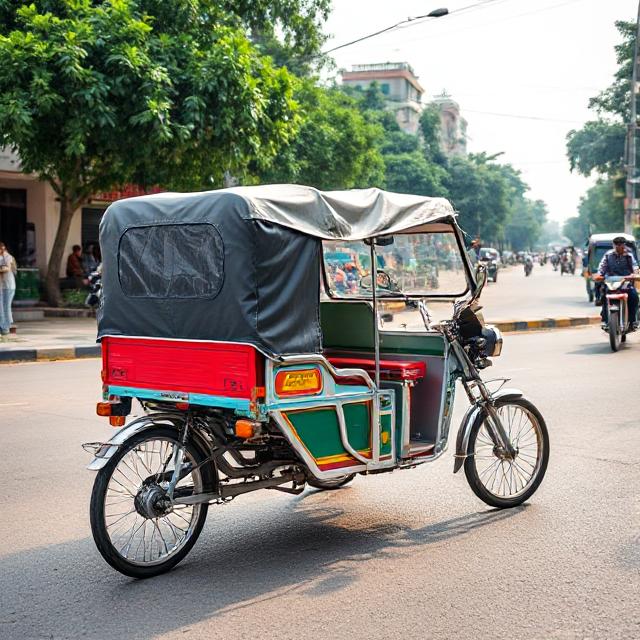
This adjustment not only addresses local competition but also represents a broader trend within Uber’s international strategy. The company has already initiated similar modifications in other geographical markets such as Bangladesh and parts of Southeast Asia, indicating a pattern of responsiveness to unique local business environments.
As part of this new strategy, several noteworthy changes will influence the interaction between drivers and riders. The traditional practice of Uber managing payment through the app will be altered, requiring riders to pay drivers directly—whether in cash or through the Indian government’s Unified Payments Interface (UPI). Consequently, this alteration minimizes Uber’s role as a financial intermediary, granting drivers greater control over their fare structures.
This means that riders will no longer see a fixed fare displayed at the end of the trip, leading to potential ambiguity in pricing and inviting scenarios where haggling could become commonplace. While this might foster a more personalized negotiation process, it also raises questions about pricing fairness and rider experience—a critical consideration for Uber as it seeks to maintain its brand reputation.
Implications for Uber’s Business Model in India

The decision to implement a fee-based system raises essential questions regarding the long-term sustainability of Uber’s operations in India, particularly in the auto-rickshaw segment. By effectively outsourcing fare disputes to drivers and riders, Uber mitigates its role in potential conflicts but also distances itself from maintaining service integrity—a hallmark of its brand. This could lead to varying quality of service as drivers determine their own rates, which may inadvertently generate disparities in rider experiences across different regions.
Moreover, the exclusivity of this model to auto-rickshaws while retaining a commission structure for four-wheeler taxis illustrates Uber’s attempt to adapt selectively to varying segments of the market. The operational challenges and competitive pressures in India require swift and focused strategies, as Uber continues to grapple with notable competitors such as Ola and the rising prominence of local entities like Rapido and Namma Yatri.
A Future of Innovation and Competition
While it is doubtful that such a model will expand to more mature markets like the United States, Uber’s venture into alternative business frameworks in India symbolizes a broader acknowledgment of evolving consumer expectations and competitive landscapes. This strategic pivot not only underscores the necessity of flexibility in business approaches but also highlights Uber’s ongoing commitment to connecting independent contractors with riders more efficiently.
As Uber navigates this transition, the ride-hailing giant must keenly monitor driver feedback, rider satisfaction, and overall market dynamics to ensure it remains an attractive option for both. Customer experiences, service quality, and competitive pricing will ultimately dictate the success of this new model and potentially guide future adaptations. In an ever-evolving transportation ecosystem, adaptability may be Uber’s best asset in retaining its position as a leader in India’s bustling ride-hailing market.

Leave a Reply