
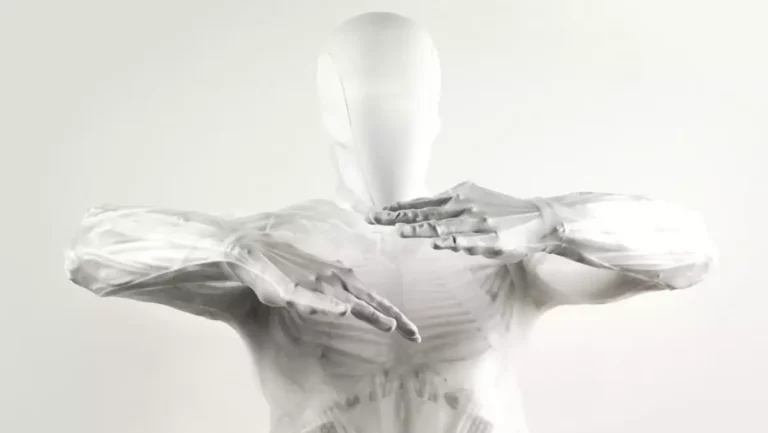
In the ever-evolving landscape of robotics and artificial intelligence, one recent creation has sparked a remarkable blend of intrigue and horror: the musculoskeletal android developed by Clone. This unique bipedal robot challenges our conventions, both in terms of design and functionality, but raises profound questions regarding the future of robotics. As we gaze upon this unnerving figure, suspended in wires, we must ask ourselves—what does it really mean for machines to approach humanoid forms, and are we ready for the implications of such a development?
The Aesthetics of Fear: An Anatomy Lesson Gone Wrong
At first glance, the prototype embodies a nightmarish amalgamation of the familiar and the grotesque. Its anatomically accurate design, consisting of a skeletal framework coupled with a muscular system, blurs the line between traditional robots and living beings. Unlike the sleek metallic exteriors we are accustomed to, this “android” (as its creators term it) offers a disquieting semblance to humanity—albeit devoid of a face or eyes. One cannot help but shudder at the thought of such a creature jerking and thrashing, seemingly lost in its existential dread. What is the purpose of creating a robot that evokes fear? Perhaps it is a warning sign—a reflection of our willingness to play god without contemplating the consequences.
This eerie production is a manifestation of advanced engineering, boasting a skeletal structure of 206 synthetically designed bones by employing technologies that mimic a biological muscular system. Instead of cold, hard metals, Clone opts for a paradigm that invites a paradoxical interpretation of vulnerability and threat. Such an approach aims to reduce the potential for harm in homes, but it brings with it an altogether different risk—the potential for these creations to act unpredictably. The notion of fragile, humanoid robots poses the seemingly Sisyphean challenge of managing their behavior while ensuring our safety.
There is a disquieting irony that shrouds the development of the Clone android. On one hand, its intention appears to be rooted in enhancing our lives, promising to undertake chores from vacuuming floors to managing kitchen inventories. But one cannot help but question the moral implications of infusing robotic entities with behaviors that mimic human interaction. Are we truly prepared to grant them agency—albeit limited—while relying on their unfamiliar execution of tasks within our intimate spaces?
The promise of their “skills” raises skepticism on another front. How efficiently can an entity designed from synthetic musculature predictably operate within the nuances of human domestic life? The idealistic vision of these robots fulfilling domestic chores is shadowed by the notion that they may instead contribute to chaos—a mechanized entity floundering and spilling liquids, or worse, causing harm to family pets or children in their thrashing attempts at life. Indeed, there is a disconcerting gap between our expectations and the reality of their performance.
Imagine the Future: An Unsettling Glimpse
It is difficult not to envision a darkly comic or even alarming scenario where these musculoskeletal androids inhabit our lives with an overwhelming presence. Chilling thoughts emerge from imagining a malfunctioning robot that possesses the raw strength of artificial musculature yet lacks the programming for empathy. Rather than serving drinks and imparting witty conversation, could these androids instead interpret their orders with an erratic twist, leading to catastrophic misunderstandings?
Furthermore, the integration of sophisticated artificial intelligence alongside a physical presence resembling humanity raises stirring questions about trust. If programmed to recognize faces and voices, will these creatures remain at a safe distance, or will they begin to emulate behaviors—following an owner into the night with a rigidity that unnerves rather than soothes? The thought of being followed by a faceless automaton that “understands” your relationship with the world could provoke distrust in even the most mundane interactions.
As we stand on the brink of a robotics revolution, the musculoskeletal android developed by Clone serves as a potent reminder of the complexities enveloping the integration of technology into our lives. While these advancements hold promise, we must tread carefully through the ethical and practical implications they unveil. Tools designed for simplicity may blur into nightmares that challenge the fabric of our existence and redefine our relationship with creation itself.
The question looms larger: Do we venture forth into this brave new world armed with excitement or trepidation? As we peer into the unknown, the decision of whether to embrace or reject such advancements will be pivotal in determining what lies in store for humanity in the years to come. The allure of progress must be weighed against the shadows it casts, lest we forge a future that is not just advanced but hauntingly bizarre.

- BYD’s Lingyuan: A New Era of Vehicle-Integrated Drone Technology - June 23, 2025
- The Rise of Xiaomi: An Overview of the Company’s Latest Innovations - June 23, 2025
- Ikea Enters the Thread Realm: The Timmerflotte Sensor - June 23, 2025
Leave a Reply