

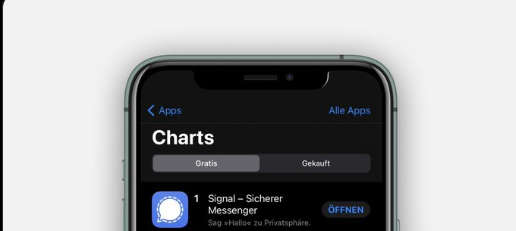
In recent weeks, privacy-centric messaging app Signal has captured headlines due to its remarkable ascent in the Dutch app store rankings, often securing the top spot as the most downloaded free application on both iOS and Android platforms. This surge in popularity is not incidental but rather a reflection of broader trends regarding digital privacy concerns, particularly as European users navigate an increasingly complex landscape shaped by issues related to data protection and the influence of Big Tech. Understanding the underlying factors that have contributed to this phenomenon is critical, as it highlights both the shifting digital habits of the Dutch populace and the evolving narrative surrounding online privacy.

Signal’s rise is directly linked to the growing public awareness surrounding digital privacy. Unlike many messaging apps that monetize user data, Signal operates under a non-profit model which emphasizes user privacy over profit. As the political landscape shifts—particularly in the U.S., where new administrations can usher in different approaches to privacy regulations—Europe has seen a reaction within its own digital sphere. This reaction is particularly potent in the Netherlands, where there is a palpable sense of discontent toward data practices associated with larger tech companies like Meta, especially given their questionable track records on privacy.
Meredith Whittaker, Signal’s President, emphasized this point in a recent interview, attributing part of Signal’s impressive registration growth—reportedly a staggering 25-fold increase this year—to a decreased trust in mainstream tech giants. The correlation between events like the re-election of political figures in the U.S. and their influence on European digital preferences is no mere coincidence. It underscores a more profound sentiment that users are beginning to recognize the vulnerabilities implicated in contemporary digital communication.
Delving into the analytics provided by app intelligence firms paints a clearer picture of Signal’s performance in the Netherlands. Starting the year at a mere 365th position among non-game applications, Signal’s ascent to the top ranks within a month showcases an extraordinary leap—jumping from 22,000 downloads in December to an astounding 233,000 in February. This explosive growth is unmatched in neighboring countries like Belgium and Sweden, where similar increments in downloads—though significant—pale in comparison.
This data illustrates not only a unique adoption curve in the Netherlands but also raises questions about regional factors that may contribute to such an intense embrace of privacy-focused technology. The Netherlands’ distinct digital culture and its citizens’ tendency to engage deeply with issues surrounding technology and governance may play a pivotal role in this regard.
The confluence of intensified media scrutiny surrounding Big Tech and growing public discourse regarding data protection has paved the way for a cultural shift regarding acceptable practices in digital communication. Experts in the field, like Rejo Zenger from Bits of Freedom, argue that recent geopolitical developments have made citizens acutely aware of their technological dependencies and the risks they entail. In the face of ongoing discussions about data sovereignty and the ethical implications of tech monopolies, many users are arriving at the conclusion that it may be time to explore alternatives like Signal.
Furthermore, the political atmosphere in the U.S. has clearly affected perceptions across the Atlantic. As tensions rise over governance and data privacy, media narratives in the Netherlands have begun to critically evaluate U.S.-based tech giants. This shift has attracted attention even from individuals who had previously been indifferent toward privacy issues, urging them to reconsider their digital communication platforms.
Signal’s rising popularity in the Netherlands may also point to a larger trend emerging across Europe. As governments become more proactive in scrutinizing data protection policies, notions of privacy are shifting. With Apple’s recent decisions to alter its end-to-end encryption policies, the conversation surrounding data integrity has moved into the mainstream. Signal’s steadfast commitment to encryption and privacy—explicitly stated by Whittaker in her declarations—positions it as a leader in what could very well become a broader movement advocating for user-centric privacy rights.
Whittaker’s firm stance against proposals that would require Signal to compromise its encryption standards illustrates not only a company ethos prioritizing privacy but also an alignment with a growing consumer demand for greater protection against potential intrusions into their digital communications. The implications of these developments are critical for users across Europe, who are increasingly becoming aware of their rights and the pressures exerted by large corporations on personal data.
The rise of Signal in the Netherlands serves as a case study in the evolving landscape of digital privacy, where consumers are increasingly seeking alternatives to mainstream platforms that prioritize revenue over user security. This transformation signals a potential shift in how communication is navigated in Europe, reflecting a widespread desire for greater agency over personal data. As conversations around privacy continue to intensify, Signal’s position as a bastion of user protection offers a glimpse into the future of secure messaging, emphasizing the importance of transparency and user trust in an age where digital communication is indispensable.

Leave a Reply