
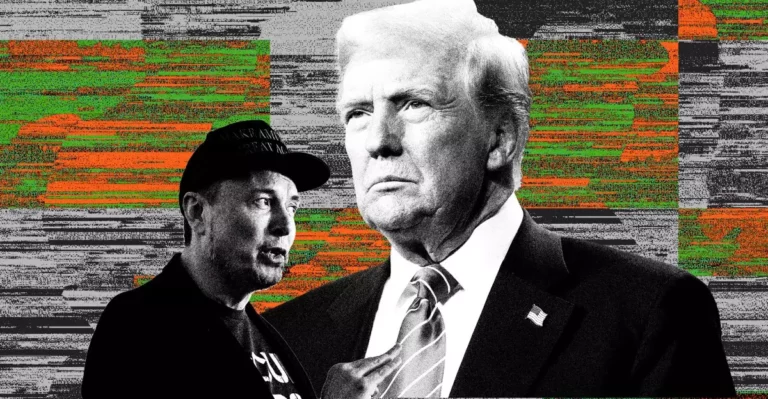
In the aftermath of the January 6th, 2021 riots at the U.S. Capitol, social media platforms faced immense scrutiny and backlash regarding their policies toward political figures, especially regarding freedom of speech and accountability. One of the most high-profile cases involved former President Donald Trump, who was banned from various platforms, including Twitter, now rebranded as X under Elon Musk’s ownership. Trump promptly filed lawsuits against several tech giants, including Twitter, Facebook, and Google, contesting the suspensions of his accounts. The legal actions raised fundamental questions about the rights of individuals on private platforms, the public interest in regulated speech, and the reach of Section 230 protections.
Recent reports indicate that X, previously known as Twitter, has reached a settlement with Trump, agreeing to pay “about $10 million” to resolve the lawsuit. This decision appears to be part of an effort to mitigate prolonged legal battles over content moderation policies that have become a flashpoint in the political landscape. The settlement comes after Musk’s controversial tenure at the helm of the platform, following his acquisition in late 2022. Not only does this agreement highlight the complex relationship between big tech and politics, but it also emphasizes the potential financial implications for companies embroiled in such lawsuits.
Trump’s initial lawsuit drew upon claims that his suspension by social media platforms represented a violation of his rights, suggesting that these private companies, due to their scale and influence, were acting as state actors. This line of argument was ultimately dismissed by a judge in 2022, who ruled that the company did not meet the criteria to be considered a state actor and upheld the protections offered by Section 230 of the Communications Decency Act, which grants immunity to internet platforms from liability for content posted by users.
Yet, while Trump’s case against Twitter has concluded with a settlement, several other legal battles remain. For instance, his ongoing lawsuit against Google has not yet reached a resolution. Additionally, Meta (the parent company of Facebook) recently decided to settle with Trump for a substantial $25 million, reflecting an overarching trend in which tech companies are weighing the costs of legal action against the financial benefits of settlement.
The settlements between Trump and the social media giants indicate a willingness to resolve disputes rather than engage in protracted litigation, signaling a shift that might influence how tech companies approach content moderation in politically sensitive contexts. As Musk continues to assert significant control over X, the platform may need to reevaluate its policies to strike a balance between maintaining a space for free expression and addressing the potential consequences of allowing controversial figures unrestricted access.
Moreover, these legal outcomes may set precedents for how future cases involving political figures and social media platforms will be handled. They underscore the evolving relationship between politics and digital platforms, hinting at possible regulatory changes on the horizon as society grapples with the complexities of online speech and the paradoxes of modern democracy in the digital age.

- BYD’s Lingyuan: A New Era of Vehicle-Integrated Drone Technology - June 23, 2025
- The Rise of Xiaomi: An Overview of the Company’s Latest Innovations - June 23, 2025
- Ikea Enters the Thread Realm: The Timmerflotte Sensor - June 23, 2025
Leave a Reply