
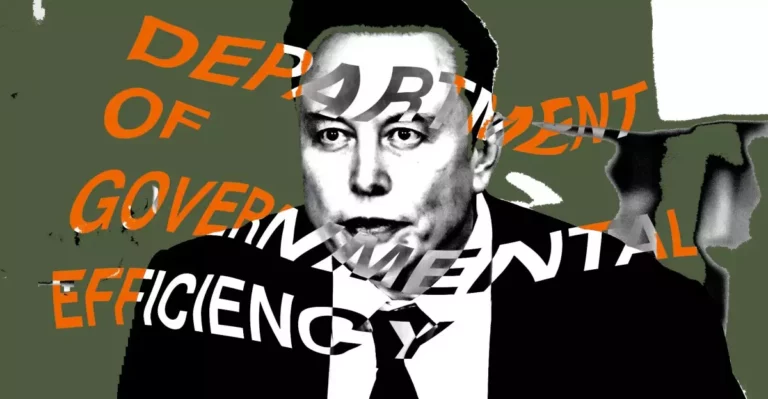
In a provocative move, an email was dispatched over the weekend to federal employees, requesting that they compile and submit bullet points outlining their recent work accomplishments by Monday night. This email, reportedly originating from the Office of Personnel Management, reached various agencies, including notable departments such as the FBI and the State Department. The urgency of the request, with a deadline set for 11:59 PM ET on Monday, raised eyebrows across the federal workforce, particularly given the controversial context surrounding it.
Compounding the situation, tech mogul Elon Musk tweeted that failure to respond to this inquiry could be interpreted as a resignation—a claim that drew significant legal scrutiny. Experts have indicated that coercing federal employees in such a manner not only breaches civil service protocols but may also infringe upon their rights. Legal scholars, including Sam Bagenstos from the University of Michigan, have been vocal in denouncing Musk’s ultimatum, labeling it as devoid of any legal foundation within the structures governing civil service. Such a demand could not only undermine employee morale but could potentially lead to legal consequences for both Musk and the agencies involved.
The ramifications of Musk’s tweets and the subsequent email directive cannot be understated. House Minority Leader Hakeem Jeffries condemned the actions, stating that this kind of pressure is particularly detrimental to the mental and emotional well-being of federal workers and their families. By adopting a top-down approach reminiscent of his controversial leadership style at Twitter, where he has previously instituted similar demands on employees, Musk’s tactics may catch workers off-guard, introducing an atmosphere of fear and uncertainty within the federal workforce.
A central question arising from Musk’s intervention is the extent of his authority in making such demands on federal employees. While Musk’s influence as a public figure is undeniable, it raises the broader issue of accountability and governance in federal agencies. The interplay between private sector leadership styles and public sector responsibilities is complex, and Musk’s foray into the realm of government efficiency—whether formalized or not—brings into focus the challenges of merging these two vastly different operational paradigms.
What this incident reveals is a pattern in Musk’s leadership approach, which appears to prioritize results and metrics often at the expense of employee autonomy and well-being. The atmosphere at his companies has been characterized by intense demand for productivity and accountability, setting a precedent that could lead to a toxic work culture. As he wields influence over aspects of public sector efficiency, the ramifications of such an attitude could have lasting effects, impacting how federal employees perceive their roles and responsibilities.
In light of this unfolding scenario, it is essential to approach the blending of private sector methodologies with public sector operations with caution. The ongoing dialogue about federal workforce treatment, legal implications, and ethical considerations must remain at the forefront, ensuring that the foundational values of public service—integrity, respect, and accountability—are upheld. The events surrounding Musk’s directive serve as a reminder of the delicate balance that must be maintained when navigating such uncharted waters.

- BYD’s Lingyuan: A New Era of Vehicle-Integrated Drone Technology - June 23, 2025
- The Rise of Xiaomi: An Overview of the Company’s Latest Innovations - June 23, 2025
- Ikea Enters the Thread Realm: The Timmerflotte Sensor - June 23, 2025
Leave a Reply