
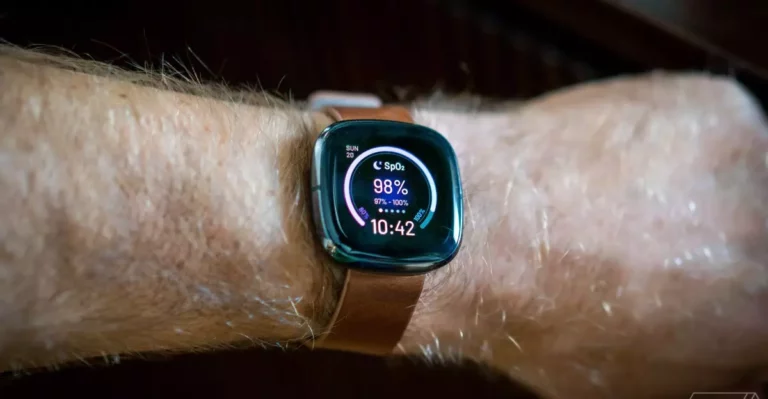
In the world of wearable technology, updates are generally seen as beneficial; they enhance features, improve performance, and provide new functionalities. However, a recent firmware update issued by Google for its Fitbit Versa 3 and Sense models has thrown a wrench into the expectations of many users. Instead of enhanced functionality, customers have reported significant depreciation in battery life. This article delves into the implications of the update, the reactions from users, and the overarching issues surrounding Fitbit’s device reliability.
Upon rolling out a mandatory firmware update, Fitbit sought to address serious complaints regarding battery overheating in its devices. In an official consumer notice, Google emphasized that the update aimed to “reduce the risk of battery overheating and reduce battery capacity.” This sounds commendable at first glance: prioritizing safety over performance seems like a responsible decision. Yet, the unintended consequence has been a sharp decline in battery longevity. Customers who previously enjoyed several days of use have found themselves tethered to their chargers, often requiring daily recharges. This erosion of battery life from a range of two to six days down to less than one day highlights a fundamental flaw in how the update was handled.
With the drop in battery performance, affected users quickly took to social media, forums, and Reddit to vent their frustrations. This uproar is particularly poignant given that Fitbit’s devices had been marketed for their extended battery life—a sellable trait in a market flooded with wearables needing constant recharging. The customer dissatisfaction was further compounded by Fitbit’s response, which included only a $50 credit as a gesture of goodwill. For many users, this amount hardly seems commensurate with the functionality lost.
It’s crucial to observe how these grievances echo sentiments from past issues with Fitbit products, particularly the Ionic model, which led to significant legal and financial repercussions for the company due to safety concerns. By echoing earlier missteps, this recent situation highlights a systemic problem within the company’s approach to product reliability and consumer trust.
A significant part of the dilemma lies in how Fitbit has communicated with its consumers. While some technical enterprises engage in proactive outreach to ensure that users are kept informed, Fitbit appears to have fallen short in providing sufficient context surrounding the update’s implications. Their only remark post-update seemed to reiterate a previously issued notice, which not only lacked empathy but also felt dismissive to frustrated customers.
Compounding the issue of communication is the historically poor customer service experiences reported by Fitbit owners. Many users report difficulties in reaching customer support, coupled with frustratingly inadequate responses when they do manage to contact the company. This lack of impactful support exacerbates feelings of helplessness among users who are now forced to grapple with devices that operate well below their previously established standards.
Reflecting on the Bigger Picture
The ramifications of this firmware disaster are, unfortunately, part of a larger narrative surrounding Fitbit and its owner, Google. With previous issues leading to fines and ongoing lawsuits, this latest episode raises questions about the company’s product management and consumer safety protocols. When tech companies prioritize rapid updates and features over basic reliability, they risk alienating their user base.
Furthermore, as consumers remain informed by a plethora of online resources, they are more likely to share their negative experiences widely. This modern reality creates a powerful feedback loop that can tarnish brand reputation significantly in a matter of weeks. In Fitbit’s case, it not only faces backlash from existing users but also risks deterring potential buyers who are considering its products against competitors known for their solid performance.
As the dust settles on this firmware update fiasco, Fitbit must demonstrate a renewed commitment to quality and customer service. Users should not have to trade battery reliability for safety. The essence of wearables is their convenience, and if that is undermined, users may gravitate toward brands that can balance performance with safety more effectively. For Fitbit and Google, the road ahead will require transparency, engagement, and—most importantly—improvements that justify the trust placed in their products.

- BYD’s Lingyuan: A New Era of Vehicle-Integrated Drone Technology - June 23, 2025
- The Rise of Xiaomi: An Overview of the Company’s Latest Innovations - June 23, 2025
- Ikea Enters the Thread Realm: The Timmerflotte Sensor - June 23, 2025
Leave a Reply