
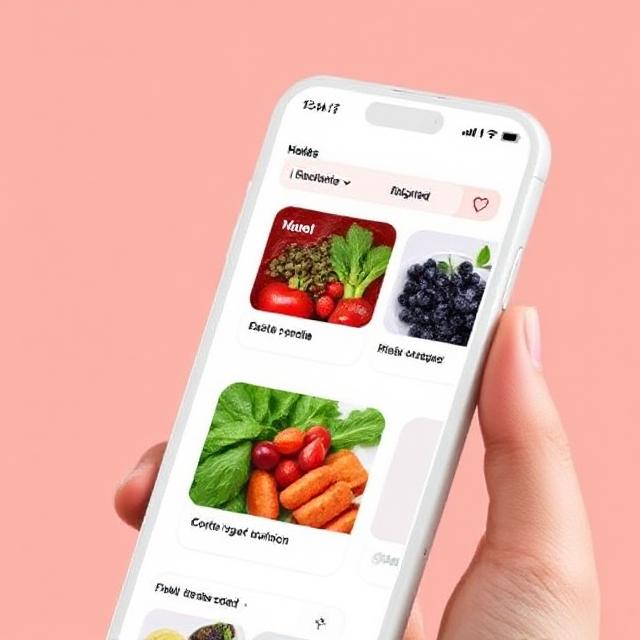
As technology continues to evolve, the impact of generative artificial intelligence on various sectors, particularly app development, is becoming increasingly evident. These sophisticated models empower developers to create applications that deliver services previously reserved for high-end professionals—such as therapists or executive assistants—at significantly lower costs. This trend is exemplified by the introduction of Alma, a new nutrition-focused app that seeks to transform how users manage their dietary habits. Developed by Rami Alhamad, a former Vice President of Product at Whoop, Alma is designed to alleviate the challenges associated with traditional nutrition tracking.
Users often dread the meticulous nature of nutrition tracking applications like MyFitnessPal, which require manual entry of consumed dishes and tedious searches for caloric values. Alhamad recognized this friction and sought to simplify the process. Alma introduces an AI-driven interface that allows users to communicate effortlessly—either through text or voice—regarding their food intake. By leveraging advanced algorithms, the app estimates portion sizes and caloric values based on user input, streamlining an otherwise labor-intensive process. Coupled with the ability to upload meal photos for automated dish identification, Alma positions itself as a fresh alternative in the burgeoning market of health optimization technologies.
Nevertheless, it’s essential to view this innovation critically. While similar features can be found in other applications, such as Healthify and Snapcalorie, Alma’s potential lies in its user-friendly interface and streamlined approach to interaction. The increasingly competitive landscape of fitness and nutrition apps demands that Alma not only stands out in design but also proves its reliability and accuracy in tracking.
One of Alma’s most compelling features is its AI assistant, which simulates a conversation around dietary habits. This interaction allows users to receive tailored meal suggestions that align with specific health goals, such as increasing protein intake or enhancing overall fiber consumption. However, beyond mere functionality, the application aims to build a personalized experience through continuous learning. As users engage with the AI, the tool evolves to understand individual preferences and dietary needs better, offering optimized recommendations based on past interactions.
From a user engagement perspective, this personalization is vital; it creates a sense of connection between the app and its users. However, the effectiveness of this feature depends on the AI’s capability to accurately adapt recommendations and the user’s willingness to consistently provide input.
Despite the remarkable features that Alma offers, the commercial viability of health tech products remains a pressing concern. Alhamad has outlined a subscription model where users can access the app for a monthly fee of $19, or an annual subscription priced at $199. This pricing strategy reflects a common approach in the health tech landscape, which often leverages subscription-based revenue models. However, the pivotal question remains: will users find enough value in the app to justify these costs, especially when free alternatives exist?
While countless individuals are willing to spend vast sums on weight-loss programs or treatments, the success of Alma will hinge on its ability to demonstrate efficacy and convince users that it offers a superior alternative to traditional nutrition advice. If the app can indeed serve as an accessible, dependable nutritional assistant, it may attract a substantial user base eager for cost-effective solutions to dietary management.
Alma’s journey has only just begun, having garnered $2.9 million in funding from Menlo Ventures and Anthropic. With aspirations to expand beyond the U.S. and explore a wealth of global nutritional knowledge, the team behind Alma possesses a forward-thinking vision. Future iterations of the app aim not only to facilitate easier meal tracking but to encourage global food discovery and enhance recipe functionalities.
However, the challenge remains in distinguishing Alma from an array of other apps that leverage similar AI technologies. What makes Alma unique is not just its AI capabilities but its seamless integration of user experience and health insights—a formidable combination in a saturated market.
Ultimately, as Alma strives to position itself as a leader in the health tech space, the company must continue to innovate, adapting to user feedback while identifying new ways to enhance the app’s functionality. The integration of generative AI within nutrition tracking symbolizes a significant shift in personalized health care, with the potential to revolutionize how individuals approach their dietary goals.

Leave a Reply