
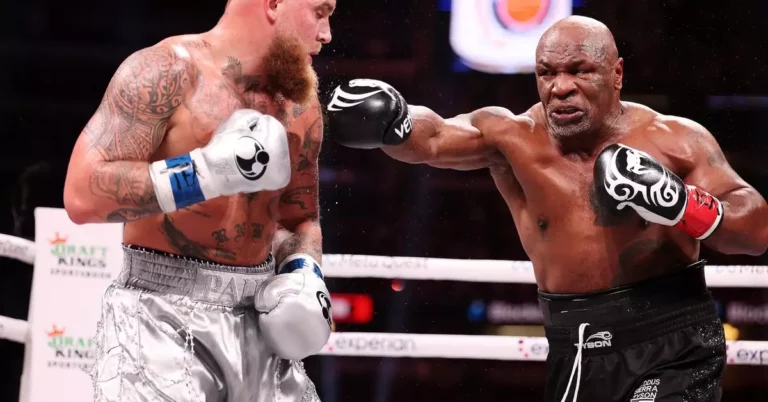
In a dazzling showcase of sporting entertainment, Netflix achieved an astounding milestone during the much-anticipated boxing match between Mike Tyson and Jake Paul, registering an unprecedented 65 million concurrent streams. According to Most Valuable Promotions, the event reached approximately 60 million households worldwide, significantly surpassing common streaming metrics and breaking previous records set by Netflix even during high-profile events such as Christmas Day NFL broadcasts. This remarkable engagement indicates not only Netflix’s growing influence in live sports but also its potential to reshape the landscape of streaming services.
However, this massive surge of viewership also exposed critical weaknesses in Netflix’s streaming infrastructure. As millions flocked to witness this historic matchup, many users were met with frustrating experiences marked by buffering, poor video quality, and dropped connections. Social media outlets erupted with complaints highlighting the ineffectiveness of Netflix’s servers in accommodating such an enormous traffic influx. Downdetector, the service monitoring tech outages, reported an alarming count of over 100,000 complaints during the event—a vivid indicator that the platform struggled to uphold its reputation for reliability amidst overwhelming user demand.
Netflix’s Chief Technology Officer, Elizabeth Stone, acknowledged the streaming service’s challenges as the event unfolded, communicating to her team that they were met with an “unprecedented scale” of viewership. Stone’s remarks indicated an understanding of the dual nature of the event’s significance: while it was a hallmark of success in terms of viewer engagement, the user experience left much to be desired. She underscored the company’s commitment to enhancing stability and performance, remarking that although many viewers faced difficulties, the overall reception remained a triumph for Netflix.
The Tyson vs. Paul bout could represent a pivotal moment for Netflix and the streaming industry overall. As traditional media outlets scramble to maintain relevance in an age increasingly dominated by digital consumption, events like these indicate a shift in viewer expectations for sports broadcasting. Netflix may learn valuable lessons from this experience, guiding them to refine their infrastructure for future live events. If they can effectively address these technological shortcomings, the platform could offer a formidable alternative to traditional sports broadcasting networks.
While Netflix achieved significant viewer engagement during a landmark event, the accompanying streaming difficulties cannot be overlooked. These challenges highlight the delicate balance that streaming services must strike between spectacular content delivery and maintaining a seamless viewing experience. With technology and consumer expectations evolving rapidly, Netflix’s approach to resolving these issues will be closely monitored as they strive to become a leading force in live sports streaming. The stakes have never been higher for the company, and the outcomes of their efforts could set a precedent for the future of digital broadcasting.
The evolution of Netflix from a DVD rental service to a global streaming powerhouse is one of the most remarkable stories in modern media. Known for its compelling original series, films, and documentaries, the platform has consistently pushed boundaries. Yet, its foray into live events marked a significant shift, challenging its existing infrastructure and audience expectations. The Tyson vs. Paul event, a live-streamed boxing spectacle, became a litmus test for Netflix’s ability to compete in the realm of live sports and events—a domain historically dominated by networks like ESPN and newer entrants like Amazon Prime Video. This article delves into Netflix’s foray into live streaming, dissecting the event’s implications for the platform’s future.
The Rise of Netflix: A Content Revolution
Before exploring the nuances of the Tyson vs. Paul event, it is crucial to understand the backdrop against which Netflix made this leap. Over the years, Netflix has evolved into more than just a repository of on-demand content. The company has revolutionized how content is consumed, offering binge-worthy series, thought-provoking documentaries, and blockbuster films.
However, the platform’s meteoric rise has not been without challenges. Increasing competition from Disney+, Amazon Prime Video, and HBO Max, coupled with market saturation, has forced Netflix to seek innovative avenues for growth. The live streaming of high-profile events, such as Tyson vs. Paul, represents its attempt to stay relevant and tap into a new demographic of viewers.
The Event: Tyson vs. Paul
The much-anticipated boxing match between Mike Tyson, a legendary heavyweight champion, and Jake Paul, a controversial social media influencer turned boxer, generated immense buzz. With a narrative blending nostalgia and modern spectacle, the event attracted diverse audiences, from longtime boxing fans to younger viewers familiar with Paul’s online persona.
This high-stakes event was an ideal candidate for Netflix’s live-streaming debut. By securing the broadcasting rights, Netflix positioned itself at the intersection of sports, entertainment, and celebrity culture. The question was whether the platform could deliver a seamless experience under the pressure of real-time broadcasting.
Challenges of Live Streaming
Live streaming presents a unique set of challenges that differ significantly from on-demand content delivery. For Netflix, which built its reputation on pre-recorded, high-quality streaming, the Tyson vs. Paul event was a test of its technical capabilities and audience engagement strategies.
1. Technical Infrastructure
Unlike on-demand streaming, where content is cached and delivered efficiently, live streaming requires real-time encoding and transmission. This demands robust server infrastructure and sophisticated algorithms to minimize buffering and latency. With millions expected to tune in, Netflix faced the daunting task of ensuring its platform could handle the traffic spike without crashing.
2. Real-Time Viewer Engagement
Live events thrive on audience interaction, with viewers often turning to social media to share their thoughts in real time. Netflix, traditionally a passive viewing platform, had to innovate to foster engagement during the Tyson vs. Paul event. Features like live chats, polls, and interactive graphics were considered to enhance the viewing experience.
3. Content Diversity
Boxing is a polarizing sport, with its fans often divided along generational and stylistic lines. Netflix had to strike a balance between catering to purists who revere Tyson’s legacy and younger viewers drawn to Paul’s social media antics. This required careful curation of pre-match content, such as documentaries, interviews, and training footage, to build anticipation and bridge the gap between these demographics.
The Broadcast: Hits and Misses
The Tyson vs. Paul event was met with both praise and criticism, shedding light on Netflix’s strengths and areas for improvement in live streaming.
Strengths
- High-Quality Production Netflix leveraged its experience in storytelling to produce a visually stunning event. From dynamic camera angles to cinematic replays, the broadcast felt polished and engaging.
- Seamless Integration of Pre-Event Content Leading up to the match, Netflix released exclusive behind-the-scenes footage and interviews with Tyson and Paul. This content helped contextualize the event, drawing in viewers unfamiliar with the boxing world.
- Innovative Features Netflix experimented with interactive features, including real-time commentary and fan polls, which were well-received by younger audiences.
Shortcomings
- Technical Glitches Despite rigorous testing, the event was marred by intermittent buffering issues, particularly during the main bout. This highlighted the challenges of scaling live streaming infrastructure to accommodate millions of viewers.
- Lack of Community Engagement Unlike platforms like Twitch, which excel in fostering viewer interaction, Netflix’s attempts at real-time engagement felt limited. The absence of a robust chat feature left many viewers turning to Twitter for discussions.
- Divided Audience Reception While Tyson’s fans appreciated the nostalgic value of his return, purists criticized the event’s “celebrity boxing” angle, which they felt undermined the sport’s integrity.
The Commercial Angle: Revenue and Brand Positioning
From a commercial perspective, the Tyson vs. Paul event was a calculated risk for Netflix. The platform introduced a pay-per-view model for the first time, allowing it to gauge users’ willingness to pay for premium live content.
- Revenue Generation The event reportedly garnered millions in pay-per-view sales, demonstrating the viability of this model for high-profile events. However, questions remain about its sustainability, given the saturation of pay-per-view offerings in the market.
- Brand Diversification By venturing into live sports, Netflix signaled its intention to diversify its content portfolio. This move positions the platform as a competitor to Amazon Prime Video, which has successfully integrated live sports into its offerings.
- Sponsorship Opportunities The event opened new avenues for advertising and sponsorship deals. Brands eager to tap into Netflix’s expansive user base partnered with the platform, creating a new revenue stream.
The Cultural Impact
The Tyson vs. Paul event was more than just a boxing match; it was a cultural phenomenon that underscored the changing dynamics of sports and entertainment.
- Blurring Boundaries The event exemplified the growing convergence of traditional sports and digital culture. Paul’s presence brought a social media-savvy audience into the boxing fold, challenging traditional notions of fandom.
- Redefining Celebrity By pitting a boxing legend against a social media influencer, the event highlighted how celebrity status is increasingly shaped by digital platforms rather than traditional achievements.
- Social Commentary The spectacle sparked debates about the commercialization of sports, with critics lamenting the focus on entertainment value over athletic merit. This discourse reflects broader concerns about the direction of professional sports in the digital age.
Lessons Learned: The Path Forward for Netflix
The Tyson vs. Paul event offered Netflix valuable insights into the intricacies of live streaming and its potential to expand the platform’s reach.
1. Technical Investments
Netflix must invest in advanced streaming infrastructure to handle the demands of live events. Partnering with established providers or developing proprietary solutions could mitigate future glitches.
2. Enhanced Viewer Engagement
Incorporating features like live chats, exclusive commentary, and second-screen experiences can deepen audience interaction and foster a sense of community.
3. Strategic Content Selection
Netflix should carefully curate live events that align with its brand ethos and appeal to a broad audience. Diversifying beyond boxing to include concerts, esports, and live interviews could attract new subscribers.
4. Balancing Nostalgia and Modernity
Events like Tyson vs. Paul thrive on their ability to blend historical significance with contemporary appeal. Netflix should leverage this formula while ensuring the integrity of the featured disciplines.
Conclusion: Netflix’s Live Streaming Gamble
The Tyson vs. Paul event marked a pivotal moment in Netflix’s evolution as a content platform. By entering the live streaming arena, Netflix has demonstrated its willingness to adapt and innovate in a fiercely competitive market. While the event showcased the platform’s potential to deliver high-quality live content, it also revealed the challenges inherent in scaling such endeavors.
As Netflix refines its approach to live events, the lessons learned from Tyson vs. Paul will undoubtedly shape its strategy. Whether it’s through improved technology, enhanced engagement features, or diversified content offerings, Netflix’s journey into live streaming has just begun. The question now is not whether Netflix can compete in this space, but how it will define the future of live entertainment.

- BYD’s Lingyuan: A New Era of Vehicle-Integrated Drone Technology - June 23, 2025
- The Rise of Xiaomi: An Overview of the Company’s Latest Innovations - June 23, 2025
- Ikea Enters the Thread Realm: The Timmerflotte Sensor - June 23, 2025
Leave a Reply