
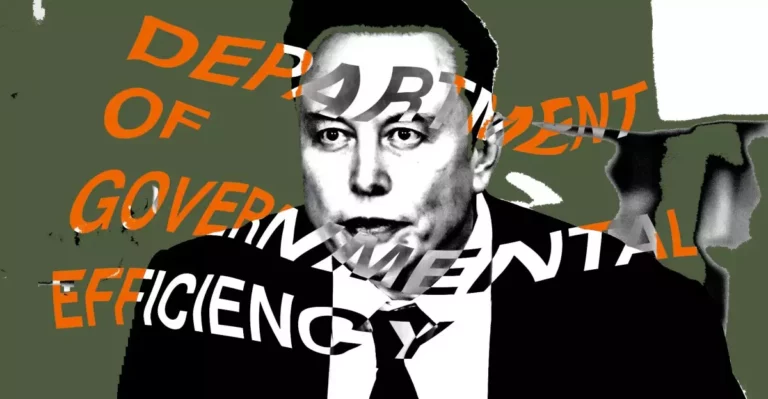
In a significant and unprecedented move, nineteen states have banded together to challenge the access granted to Elon Musk’s DOGE cryptocurrency to sensitive federal payment records maintained by the U.S. Treasury. This legal battle comes in the wake of a temporary injunction issued by District Judge Paul A. Engelmeyer, which effectively prohibits any interaction between DOGE and crucial economic data that could compromise Americans’ personal information. At the heart of this issue lies a dilemma of authority, oversight, and the safeguarding of citizen data in an age where privacy concerns are becoming paramount.
Filed in the Southern District of New York, the lawsuit raises profound questions regarding the legality of the actions taken by the Trump administration in enabling DOGE’s access. The plaintiffs articulate that allowing a private entity, particularly one with affiliations to a high-profile individual like Musk, to access taxpayer information constitutes an overreach of executive power. Citing violations of the U.S. Administrative Procedures Act, the lawsuit alleges a breach of the constitutional doctrine of separation of powers. This has ignited a broader debate about the role of government, private interests, and the handling of sensitive data.
Judge Engelmeyer’s ruling mandates that all political appointees and specific government employees must not only cease access to Treasury records but also destroy any data they may have already acquired since January 20th, 2025. The stipulation for the destruction of data underscores the gravity of the situation, reminiscent of historical battles over government overreach and data privacy. The decision highlights the judicial system’s role in curtailing executive actions when they appear to encroach upon citizens’ rights.
The ramifications of this lawsuit stretch beyond the courtroom into the political arena. New York Attorney General Letitia James took the lead in this case, vehemently opposing the idea that Musk and DOGE could access personal data without safeguarding mechanisms in place. Her assertion that “President Trump does not have the power to give away Americans’ private information” resonates with ongoing tensions surrounding privacy, governmental authority, and the intersection of technology and politics. Alongside states like California, Arizona, and others, James has ignited a coalition that could set a precedent for future legal challenges against perceived misuse of power.
This lawsuit is part of a series of legal tests facing the Trump administration and raises critical questions about how cryptocurrencies like DOGE are intertwined with federal oversight. With the surge of digital currencies transforming financial landscapes, the implications of granting such access are vast—not only for individuals but also for the integrity of government financial systems. As the hearing approaches on February 14th, the outcome of this case may redefine parameters of data access and set new benchmarks in the relationship between governmental institutions and emerging financial technologies.
In a world where data is increasingly viewed as a commodity, the balance between innovation and regulatory oversight will be crucial in the evolving narrative of money, privacy, and power. The ongoing endeavors of states to safeguard their citizens’ data remain an essential aspect of this unfolding saga.

- BYD’s Lingyuan: A New Era of Vehicle-Integrated Drone Technology - June 23, 2025
- The Rise of Xiaomi: An Overview of the Company’s Latest Innovations - June 23, 2025
- Ikea Enters the Thread Realm: The Timmerflotte Sensor - June 23, 2025
Leave a Reply