
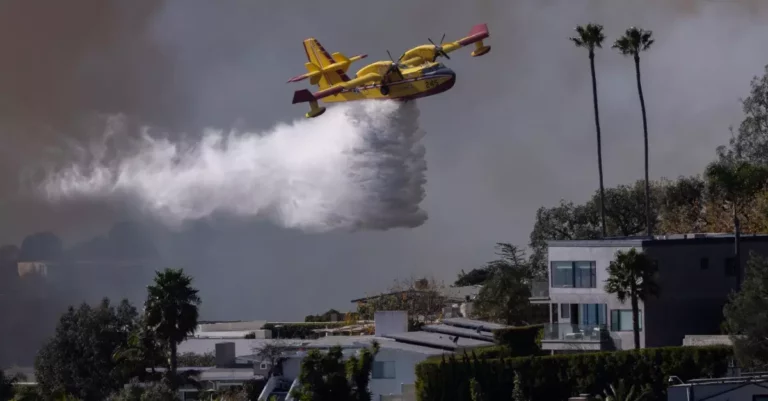
On January 9, 2025, an extraordinarily careless event unfolded. Peter Akemann, a 56-year-old former technology executive, crashed his DJI Mini 3 Pro drone into a government firefighting aircraft while it was actively engaged in combatting the Los Angeles Palisades wildfires. The collision resulted in significant damage to the firefighting plane, puncturing a hole approximately 3 inches by 6 inches in size. Akemann’s drone had flown approximately 2,500 meters from its launch point before visibility was lost, violating both legal and ethical standards for drone operation.
The Firefighter Aircraft performed vital tasks, attempting to contain raging wildfires, demonstrating the immense responsibilities attached to aerial firefighting missions. Yet, Akemann’s reckless decision to operate his drone against the Federal Aviation Administration’s (FAA) Temporary Flight Restrictions not only grounded the firefighting aircraft for necessary repairs but also posed a grave risk to both human lives and property.
As investigations intensified, authorities traced the drone back to Akemann, leading him to strike a plea deal. In a calculated move to mitigate potential jail time, Akemann is likely to plead guilty to charges stemming from this incident. This agreement would see him pay approximately $65,000 for repair costs and engage in 150 hours of community service focused on wildfire relief efforts. While a major consequence of his actions, the penalty could be seen as relatively lenient, given the substantial risks associated with the drone’s operation and its implications for public safety.
If the court does not accept his plea, Akemann may face up to a year of imprisonment, along with a hefty fine. A year of supervised release might also follow, along with the looming threat of a fine that could reach as high as $100,000 or double the gross loss incurred due to the collision. These potential consequences highlight the importance of accountability in maintaining safety in shared airspace.
Akemann’s attorneys have pointed out mitigating circumstances that may come into play during court proceedings. Notably, they assert that the geo-fencing feature of the DJI drone—meant to prevent unauthorized flights in restricted areas—failed. This aspect adds a layer of complexity to the legal considerations surrounding drone operation.
As drone technology continues to evolve, manufacturers, such as DJI, carry a responsibility to ensure their safety features are effective. Recently, DJI has faced scrutiny for eliminating some of its more restrictive geo-fencing measures. Such changes could empower users to fly drones in high-risk areas, such as near active wildfires or even over government buildings, raising pressing questions about the boundaries of technological safety.
This incident serves as a crucial reminder of the potential consequences when personal irresponsibility intersects with sophisticated technologies. The reliance on tech safeguards, despite their inherent limitations, cannot act as a substitute for prudent decision-making by users.
As drone incidents become more frequent, the incident involving Akemann underscores the urgent need for stricter regulations and enhanced education for drone operators. The balance between innovation and responsibility must be struck, particularly in environments where safety is paramount. Stakeholders—from manufacturers to regulatory bodies—must collaborate to establish clearer guidelines and efficient training programs for UAV operators, ensuring that technology does not outpace public safety standards.
Furthermore, the gravity of this incident could influence lawmakers to enact reforms surrounding drone operation. From stricter penalties for violations to more comprehensive awareness campaigns, addressing the legal and ethical considerations in drone use has never been more crucial.
The case of Peter Akemann is emblematic of the broader challenges facing drone technology in both recreational and professional settings. As we embrace drone innovation in everyday life, we must also take on the responsibility that comes with it. Akemann’s story serves to highlight the importance of adhering to regulations, practicing responsible operation, and recognizing the potential ramifications of our actions in the air. The choice to fly is not simply a personal one; it impacts community safety and the environment as a whole. Ultimately, the lessons learned from this incident may serve as a pivotal point for reform, underscoring that the skies are a shared space that must be respected.

- BYD’s Lingyuan: A New Era of Vehicle-Integrated Drone Technology - June 23, 2025
- The Rise of Xiaomi: An Overview of the Company’s Latest Innovations - June 23, 2025
- Ikea Enters the Thread Realm: The Timmerflotte Sensor - June 23, 2025
Leave a Reply