
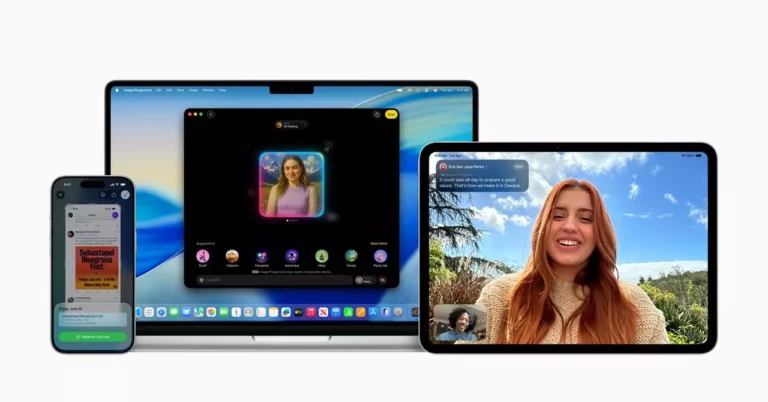
In a notable event at WWDC, Apple unveiled a series of fresh features aimed at integrating artificial intelligence into the user experience across its devices. Rather than adopting a frenzied and flashy approach like its competitors, Apple has maintained a deliberate and measured strategy in enhancing its offerings. The introduction of the Foundation Models framework stands out as a key milestone, allowing developers to leverage Apple’s AI models to create innovative applications. This method not only positions Apple as a player in the AI landscape but also emphasizes its commitment to ensuring a seamless user experience.
Real-Time Communication: A Game Changer
Among the most striking features announced is Live Translation, which interprets phone and FaceTime calls in real time. This advancement could redefine cross-language communications, bridging cultural gaps while enhancing user connectivity. Imagine fluid conversations with colleagues or friends across the globe without the hurdle of language barriers—this feature taps directly into the core of global communication in our increasingly interconnected world. Apple’s focus on utility in its AI features adds significant value, ensuring that users can rely on these advancements in their daily lives.
The introduction of Workout Buddy also reflects Apple’s understanding of consumer needs. This AI assistant provides not just motivation during workouts but integrates feedback and encouragement, which has proven to enhance exercise adherence. Hearing, “This is your second run this week, you’re crushing it,” from an AI-based companion can make a significant difference in a user’s motivation. This innovation goes beyond mere functionality, incorporating elements of personal engagement that resonate deeply with users’ psychological experiences.
Visual Intelligence: Bridging Reality with Technology
Apple has enhanced its Visual Intelligence tool, showcasing its ability to analyze and interpret the world through device cameras. This upgrade allows for features such as product identification and webpage summarization, contributing to a smarter and more intuitive user experience. By enabling users to extract relevant information efficiently, Apple is positioning itself as a utility-driven company that understands the increasing demand for informative technology that operates in real time.
Additionally, the advancements in tools like Genmoji and Image Playground illustrate Apple’s investment in creative AI applications. These tools foster user creativity by generating stylized images, implying that Apple recognizes the significance of personalization and creativity in user engagement. By facilitating creative expression, Apple not only enhances its appeal to artistic consumers but also strengthens brand loyalty.
The Competitive Landscape of AI
However, the incremental nature of Apple’s AI announcements raises questions about its position relative to competitors. Analysts like Paolo Pescatore indicate that while Apple’s cautious approach may stem from a desire not to alienate its loyal core audience, it also puts the company at risk of falling behind in the fast-evolving AI sector. The ability to innovate quickly and effectively could define future market leadership, particularly as companies like OpenAI and Google make substantial strides in AI capabilities.
Francisco Jeronimo from IDC emphasizes the importance of accessibility in AI tools for developers, which could bridge the gap between Apple’s capabilities and those of its more advanced competitors. Despite the relative shortcomings of its AI models when compared to its rivals, Apple leverages local model processing to enhance user privacy and reduce operational costs. This could be seen as a significant competitive advantage, especially for users concerned about data security as AI becomes more prevalent.
The Future is Now: Bridging Hardware and AI Capabilities
As Apple continues its journey through the AI landscape, there is an acknowledged need for bolder, more innovative leaps. While current capabilities may not rival those of industry giants directly, the potential for Apple lies in seamless integration with its hardware. As personal computing continues to evolve, fostering innovative partnerships and exploring AI-infused hardware—like that of OpenAI’s recent acquisition of ex-Apple designer Jony Ive—could catalyze a new wave of advancements for Apple.
While Apple’s slow and steady approach may frustrate some analysts expecting more rapid advancements, its strategy reflects a commitment to user-centric technology. The gradual integration of AI highlights not just a need for innovation but an understanding of how these technologies can sustain and enhance the user experience across its ecosystem. The road ahead is one of potential transformation that, if navigated diligently, could redefine what we expect from technology in everyday life.

- BYD’s Lingyuan: A New Era of Vehicle-Integrated Drone Technology - June 23, 2025
- The Rise of Xiaomi: An Overview of the Company’s Latest Innovations - June 23, 2025
- Ikea Enters the Thread Realm: The Timmerflotte Sensor - June 23, 2025
Leave a Reply