
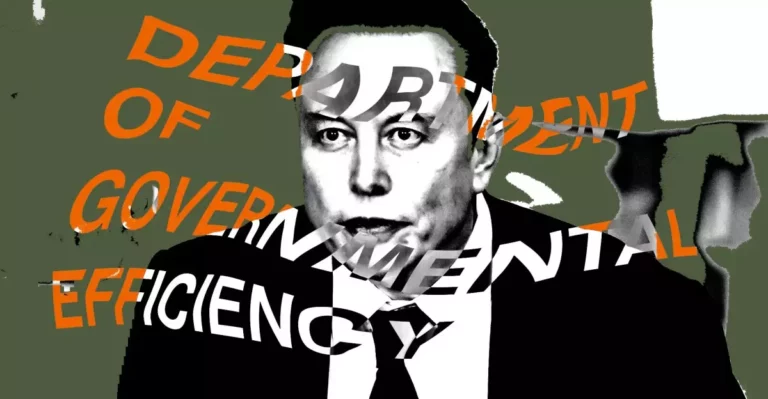
In an unprecedented and alarming development, Public Citizen, a well-known advocacy group, has taken legal action against Elon Musk in relation to alleged unauthorized access to government payment systems. This controversy centers around the so-called “Department of Government Efficiency” (DOGE), which has gained traction in discussions regarding the intersection of big tech and government operations. As concerns mount over privacy and potential misuse of sensitive data, the situation raises significant implications for public trust in government.
The heart of the lawsuit, which was filed in a federal court in Washington, D.C., focuses on accusations that Musk, through DOGE, has gained access to critical payment systems, alongside millions of Americans’ Social Security numbers. Public Citizen argues that this access constitutes an egregious breach of the Privacy Act of 1974 and represents a blatant disregard for regulations governing taxpayer information. The lawsuit calls for immediate action from the judiciary to halt what it describes as “unlawful, ongoing” activities that risk compromising the privacy of countless individuals.
Beyond the apparent legal infractions, this situation opens a Pandora’s box regarding ethical governance. The implications of private individuals—especially those with the sprawling influence of Musk—having access to sensitive government data cannot be understated. If left unchecked, it sets a dangerous precedent for the exploitation of public resources by private interests.
The gravity of the allegations has prompted a political outcry from lawmakers like Senators Ron Wyden and Elizabeth Warren, who are demanding clarity and transparency from Treasury Secretary Scott Bessent. Their concerns stem primarily from the potential ramifications of Musk’s involvement in government payment systems, where even slight mishandling could lead to catastrophic failures in the U.S. economic structure. Their letters to Bessent stress the need for robust safeguards to prevent abuse of access and ensure data security for American citizens.
Compounding the controversy, the Senators have raised pertinent questions about the security measures in place to protect against misuse, further emphasizing their skepticism towards Musk’s involvement. Their inquiries highlight a bipartisan concern regarding the accountability of government systems and the palpable risks of allowing public welfare to interlace with entrepreneurial ambition.
Elon Musk’s influence on public systems through DOGE can potentially disrupt an already fragile bureaucratic balance. As noted by national security lawyer Bradley Moss, this situation reveals vulnerabilities within the administration that could invite legal challenges from various quarters, including federal employees and organizations negatively impacted by DOGE’s maneuvers.
Furthermore, the effort to “gut” federal bureaucracy, as termed by critics, raises questions about the long-term consequences of politicizing essential governmental functions. If Musk’s current approach is an indication of future maneuvers, we may witness more significant power struggles between private interests and federal responsibilities, potentially undermining both trust and efficiency within public service.
The unfolding drama surrounding Elon Musk and his access to federal payment systems is symbolic of a broader shift in how technology interfaces with public institutions. The implications of this case transcends the immediate legal disputes; it encapsulates a struggle for accountability, privacy, and integrity within the governmental landscape. As we enter an era where corporate influence burgeons within public sectors, the questions raised by advocates, politicians, and the public alike will be pivotal in shaping the contours of governance.
The solution may lie in rigorous legislative frameworks and proactive oversight to prevent similar incidents from occurring in the future. Ultimately, the incident serves as a cautionary tale about the delicate balance between innovation and ethics in the modern world, as society grapples with the increasingly blurred lines between private enterprise and public responsibility.

- BYD’s Lingyuan: A New Era of Vehicle-Integrated Drone Technology - June 23, 2025
- The Rise of Xiaomi: An Overview of the Company’s Latest Innovations - June 23, 2025
- Ikea Enters the Thread Realm: The Timmerflotte Sensor - June 23, 2025
Leave a Reply