
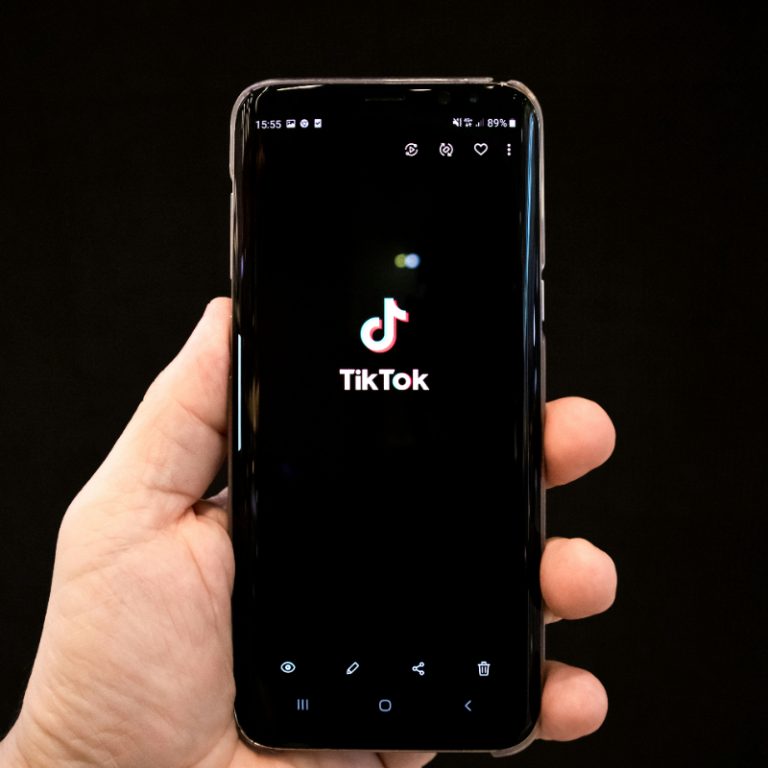
The re-entry of TikTok into U.S. app stores has underscored the complex relationship between technology, politics, and regulation. After being inaccessible for nearly a month due to government intervention and legal hurdles, TikTok has regained its presence on both the iOS App Store and Google Play. This article delves into the circumstances surrounding TikTok’s recent journey, examining the implications and future potential of digital governance in light of this graphic illustration of power at play.
The Banning and Subsequent Resurgence
On January 19, the popular Chinese-owned video-sharing platform was abruptly removed from the U.S. app marketplaces, a decisive move driven by the Protecting Americans From Foreign Adversary Controlled Applications Act (PAFACA). This statute reflected growing concerns over national security surrounding applications developed by foreign entities, particularly those based in China. Such measures were part of a broader narrative that positioned TikTok as more than just a social media platform; it became a focal point for geopolitical tensions, leading to widespread uncertainty among users and stakeholders alike.
TikTok’s managed return to the app stores came a day after it initially disappeared, demonstrating the fluid dynamics at play. Following the intervention of U.S. Attorney General Pam Bondi—who assured that Apple and Google would not incur penalties for hosting the app—the tech giants reinstated TikTok, albeit with the potential for future complications still looming. This action sent ripples of relief through the TikTok community, but it also drew attention to the precarious balance between political maneuvering and digital accessibility.
While TikTok’s return to app stores is a welcomed development for users and content creators that depend on the platform for expression and revenue, the path forward remains clouded with uncertainty. U.S. law is still heavily scrutinizing foreign applications, with PAFACA mandating that no American tech firm distribute, maintain, or update applications from ByteDance, TikTok’s parent company. The legal framework leaves room for interpretation and potential extensions, depending on the progress made in discussions for TikTok’s divestment from Chinese ownership.
The ongoing negotiations led by Vice President JD Vance signal a significant shift in Washington’s approach to tech regulation. The possibility of the U.S. acquiring partial ownership of TikTok, as proposed by Donald Trump, adds layers to the dialogues regarding tech sovereignty and ownership. This scenario illustrates an intricate web of interests where national security, economic potential, and user rights intersect.
The TikTok ban not only affected the platform itself but had rippling consequences for other apps affiliated with ByteDance, such as Lemon8 and CapCut. For the duration of the ban, these applications became inaccessible, and users redirected toward competitors. Instantly, this opened a market opportunity for rival apps such as Instagram Reels and Snapchat, which saw an uptick in engagements as users sought alternative avenues for content creation during TikTok’s absence.
The ban’s aftermath further illuminated the intricacies in consumer behavior and the tech ecosystem. A significant portion of TikTok’s user base was effectively quelled during this time, proving that the landscape of digital content sharing is as volatile as it is vital. Users, keen on self-expression through short-video formats, adapted by migrating to platforms that quickly filled the void left by TikTok, demonstrating the critical need for ongoing innovation and responsiveness in a highly competitive market.
The resurgence of TikTok accentuates a pivotal moment for digital policy in the U.S. As regulatory frameworks catch up with rapid technological advancements, policymakers are forced to consider not only the implications of foreign ownership but also questions surrounding user data security, digital freedoms, and the broader impact of bans on societal engagement.
Issues of tech dominance, ownership structures, and international relations can no longer be viewed in isolation but must instead be approached with a holistic understanding of their interconnectedness. As evolving dialogues emerge from Washington, the outcomes will likely set precedents for how digital platforms are governed, what freedoms users enjoy, and how foreign entities navigate the U.S. technology landscape.
TikTok’s re-entrance into the U.S. app stores is merely a chapter in an ever-evolving narrative of technology, policy, and user interaction. As new regulations and interactions unfold, the digital landscape will continue to shift in ways that redefine governance in the age of information.

- BYD’s Lingyuan: A New Era of Vehicle-Integrated Drone Technology - June 23, 2025
- The Rise of Xiaomi: An Overview of the Company’s Latest Innovations - June 23, 2025
- Ikea Enters the Thread Realm: The Timmerflotte Sensor - June 23, 2025
Leave a Reply