

In the digital age, artificial intelligence (AI) has permeated various aspects of our lives, even changing how we communicate professionally. The emergence of AI-generated writing tools has redefined content creation, particularly on platforms like LinkedIn. Once a straightforward networking site, LinkedIn now finds itself at the intersection of business communication and automated content. This transformation has sparked both excitement and concern among professionals who rely on the platform to connect with peers and employers.
One phenomenon to note is the dramatic increase in AI-generated posts. LinkedIn users now often touch on business topics using language shaped by algorithms rather than personal experiences. Analysis from the AI detection firm Originality AI indicates that over 54 percent of longer English-language posts on LinkedIn may be AI-generated. This statistic raises questions about authenticity in online interactions and the implications of AI’s influence on professional discourse.
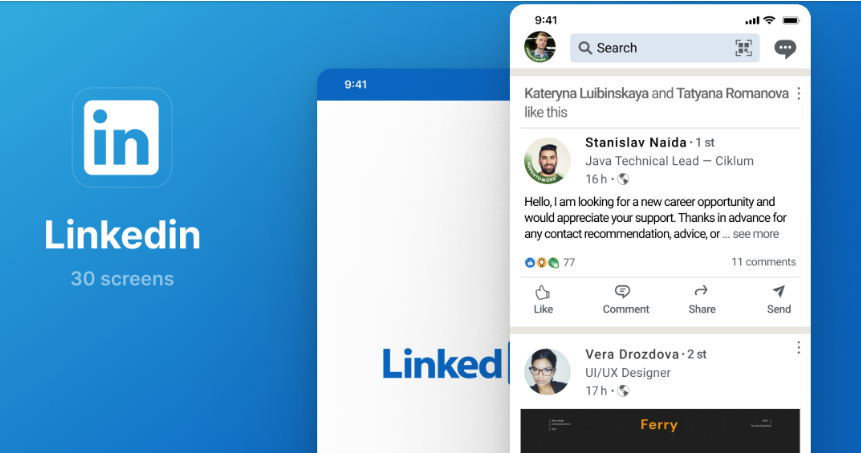
The style of writing produced by AI tools tends to mirror a corporate tone, which poses complications for users trying to navigate the authenticity of their communication. While some may appreciate the streamlined nature of AI writing—quickly generating well-structured posts—others fear it dilutes genuine engagement. An analysis of LinkedIn posts has revealed that corporate language increasingly echoes AI’s output, complicating the task of discerning between human and machine authorship.
As AI-generated writing burgeoned—especially following the launch of OpenAI’s ChatGPT—the traditional landscape of LinkedIn began to shift noticeably. Although for years, the use of AI writing tools was minimal, 2023 marked a turning point, showcasing a 189 percent rise in AI-generated posts. This surge highlights the extent to which professionals are relying on AI to maintain a constant online presence, sometimes at the cost of personal voice.
Yet, the concept of using AI as a mere tool for enhancing drafts presents a double-edged sword. On the one hand, AI can assist in overcoming writer’s block or refining language, enabling users to express ideas effectively. On the other hand, it can lead to a uniformity in content that undermines the essence of personal branding. Adam Walkiewicz, LinkedIn’s head of feed relevance, emphasizes that AI should complement original ideas, not replace them. However, the real-world application often blurs these lines, prompting users to rely more on algorithms than their voices.
There’s a burgeoning industry around AI tools designed specifically for LinkedIn content—from post generators to comment enhancers. This trend reaffirms that attention has become a precious commodity, and there is a lucrative market in helping users attract it. The challenge remains: does such reliance on AI tools foster creativity, or does it simply encourage a superficial engagement based on generic responses?
Particularly intriguing is LinkedIn’s appeal to newer demographics, including Gen Z, who are drawn to professionalism enhanced by the allure of eye-catching content. Startups have tapped into this market within LinkedIn, providing services that facilitate rapid content generation. As users compete for visibility, the efficiency of AI tools often outweighs the personal investment in original thought.
Many users have reported opting for general-purpose AI language models over specialized tools designed specifically for LinkedIn. Content writers have noted that they frequently use advanced models, like Anthropic’s Claude, to whip up initial drafts, illustrating a new era of hybrid writing where human creativity meets algorithmic assistance. This shift raises essential questions about the future of professional communication.
As we look forward, the growing prevalence of AI-generated content is likely to reshape the professional landscape significantly. LinkedIn, once a site of authentic professional interaction, could transform into a battlefield of AI-produced prose. However, navigating this transformation requires a balance between leveraging AI for efficiency and preserving the authentic, human touch that enables true engagement.
Ultimately, the question remains: as AI continues to evolve and integrate into professional platforms, how can users maintain their unique voices and foster meaningful connections? It seems the challenge will be to harness AI’s potential while still valuing originality and authenticity in communication. Thus, the path ahead will demand adaptability, critical thinking, and perhaps a renewed commitment to human expression amidst the rising tide of automation.

- BYD’s Lingyuan: A New Era of Vehicle-Integrated Drone Technology - June 23, 2025
- The Rise of Xiaomi: An Overview of the Company’s Latest Innovations - June 23, 2025
- Ikea Enters the Thread Realm: The Timmerflotte Sensor - June 23, 2025
Leave a Reply