
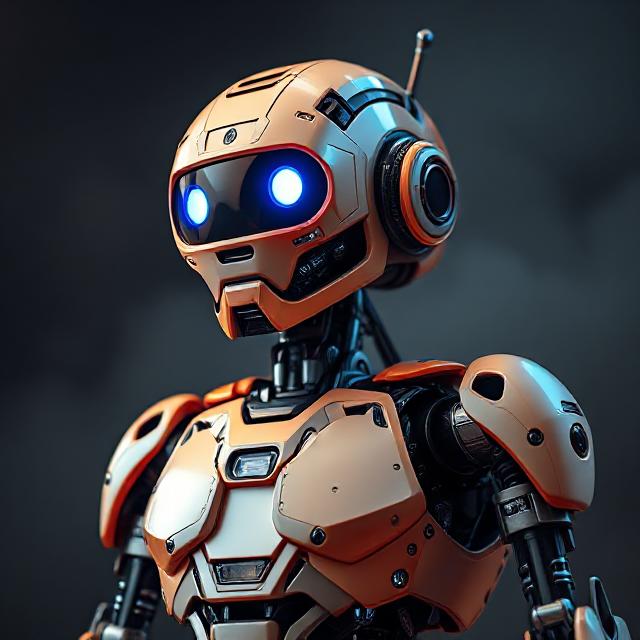
Marc Raibert, the visionary behind Boston Dynamics, has become synonymous with innovative robotic engineering, pushing the boundaries of what robotic entities can achieve. The capabilities presented by Boston Dynamics—from agile parkour moves to delightful dance performances—illustrate a diverse array of functions that these machines can fulfill. However, Raibert’s ambition stretches beyond mere physical prowess; he is advocating for a monumental shift towards enhancing robot intelligence through cutting-edge developments in machine learning.
In an era marked by rapid technological advancements, Raibert envisions an upcoming revolution where robotic behavior can be produced autonomously. This includes performing complex tasks without the need for meticulous human programming. As he highlighted in a recent interview, the potential lies in enabling machines to develop capabilities through experiential learning. “The hope is that we’ll be able to produce lots of behavior without having to handcraft everything that robots do,” Raibert expressed, hinting at the transformative implications of these ongoing innovations. This marks a pivotal moment in robotics; rather than relying solely on pre-programmed scripts, machines are beginning to learn and adapt in dynamic environments.
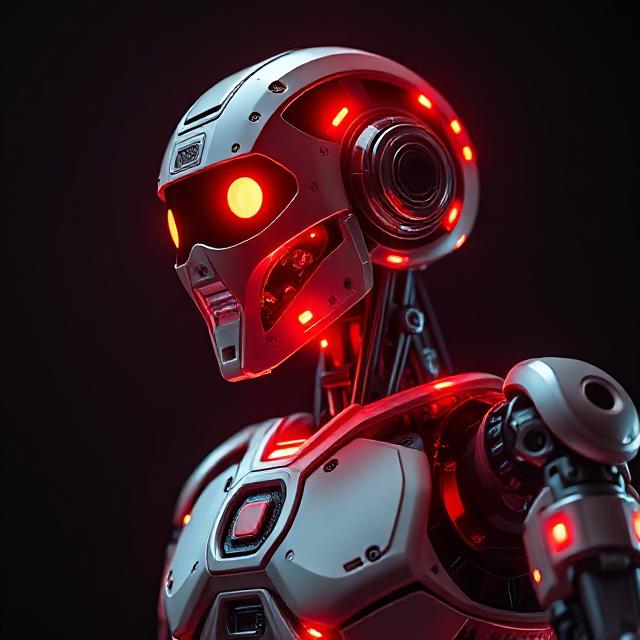
Despite Boston Dynamics’ pioneering role, the robotics sector is experiencing an influx of new players. Start-up companies are emerging with impressive models like Figure’s humanoid Helix, primarily designed for chore assistance, and Apptronik’s Apollo, which aims at scalable production. Such innovations reflect the burgeoning market for robots that could potentially revolutionize domestic chores. However, the enthusiasm surrounding these humanoid robots is tempered by the need to scrutinize their functional efficacy. Currently, many firms remain tight-lipped about developmental costs, raising questions about market viability and customer demand for these robotic companions.
While demonstrations of robots performing specific tasks can be awe-inspiring, the true measure of success for such creations will hinge on their operational independence. The extent to which they can execute tasks without continuous human oversight will serve as the litmus test for their functionality. Relevant advancements, such as those outlined by Raibert, are essential catalysts in achieving such autonomy. Last year, industry leaders began exploring novel methodologies for robotic control, indicating that significant strides in this domain could lead to remarkable evolution in humanoid and quadrupedal designs.
An Example of Progress: Boston Dynamics’ Spot and Atlas
Boston Dynamics is not merely a trailblazer in concept but also in practical applications, as illustrated by its popular four-legged robot, Spot. This versatile machine has found utility in varied scenarios, including construction sites and oil rigs, where traditional wheeled vehicles falter. Additionally, the company is enhancing its humanoid model, Atlas, leveraging techniques like reinforcement learning. According to Raibert, through such technologies, Spot’s operational speed has tripled, underscoring the potential of machine learning in refining robotic capabilities. These developments are vital not just for demonstrating agility but also for redefining the prospects of robotic helpers in both industrial and personal settings.
Raibert’s endeavors come at a critical juncture in robotic history. The interplay between physical agility and cognitive learning will likely define the future landscape, ensuring that robots are not just tools, but intelligent companions capable of seamlessly integrating into human environments.

- BYD’s Lingyuan: A New Era of Vehicle-Integrated Drone Technology - June 23, 2025
- The Rise of Xiaomi: An Overview of the Company’s Latest Innovations - June 23, 2025
- Ikea Enters the Thread Realm: The Timmerflotte Sensor - June 23, 2025
Leave a Reply